eco-friendly resort in Costa Rica or Brazil rainforest luxury stay sets the stage for this enthralling narrative, offering readers a glimpse into a story that is rich in detail and brimming with originality from the outset.
These remarkable resorts not only provide opulent accommodations nestled within the breathtaking natural beauty of the rainforest, but they also prioritize sustainability and ecological preservation. With their innovative practices, these eco-friendly havens aim to minimize their carbon footprint while offering luxurious experiences, promoting a unique blend of comfort and environmental consciousness.
Eco-Friendly Features of Resorts
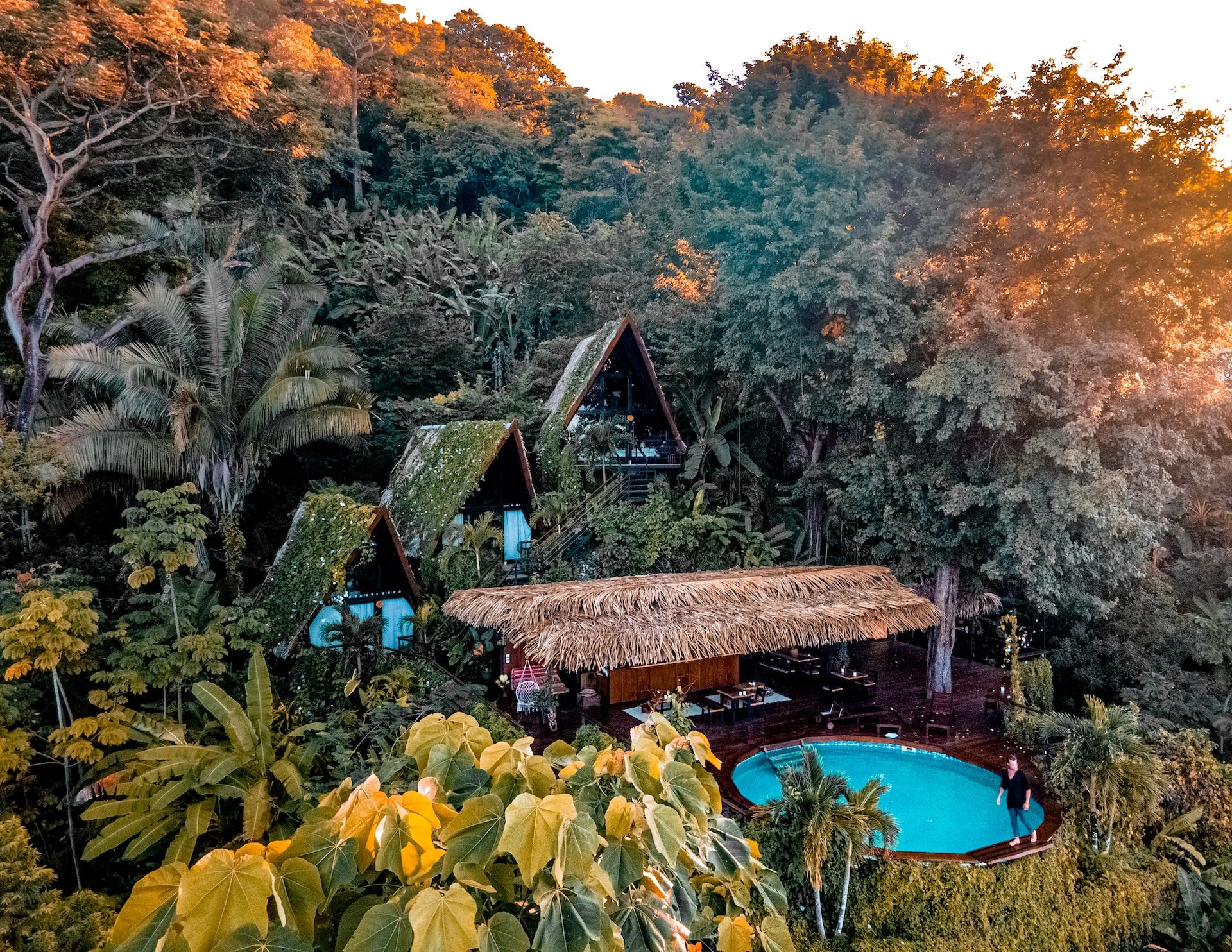
Eco-friendly resorts in Costa Rica and Brazil rainforest epitomize the harmonious blend of luxury and sustainability. These establishments are dedicated to preserving the rich biodiversity of their surroundings while providing guests with a unique, immersive experience in nature. By implementing various sustainable practices, these resorts not only minimize their environmental impact but also promote eco-conscious tourism.The eco-friendly practices employed by these resorts are multifaceted, emphasizing energy conservation, waste management, and the use of sustainable materials.
For instance, many resorts harness renewable energy sources such as solar and wind power to reduce their reliance on fossil fuels, thereby minimizing their carbon footprint. Rainwater harvesting systems are also common, enabling resorts to utilize natural water sources for irrigation and other non-potable uses. Furthermore, extensive composting and recycling programs are implemented to manage waste effectively and reduce landfill contributions.
Sustainable Practices in Resort Operations
The operational strategies adopted by eco-friendly resorts are crucial in promoting sustainability and enhancing the guest experience. These practices are designed not only to protect the environment but also to educate visitors about the importance of conservation. Some of the key sustainable practices include:
- Energy Efficiency: Resorts frequently utilize energy-efficient appliances and LED lighting to significantly diminish their energy consumption.
- Locally-Sourced Materials: Many resorts are constructed using locally sourced, sustainable materials such as bamboo, reclaimed wood, and natural stone, which reduce transportation emissions and support the local economy.
- Waste Reduction Initiatives: Comprehensive recycling programs and organic waste composting help resorts minimize their overall waste output.
- Organic Gardens: On-site organic gardens not only provide fresh produce for the resort’s restaurants but also promote biodiversity and sustainable agriculture practices.
- Wildlife Conservation: Many resorts engage in conservation efforts, including habitat preservation and wildlife protection initiatives, ensuring that the natural ecosystem remains intact.
The eco-friendly materials used in the construction and maintenance of these resorts play a significant role in their commitment to sustainability. Resorts often incorporate environmentally responsible practices by utilizing sustainable building materials and energy-efficient technologies. Notable examples of such materials include:
- Bamboo: As a rapidly renewable resource, bamboo is frequently used for flooring and structural elements due to its strength and versatility.
- Reclaimed Wood: Utilizing reclaimed wood reduces deforestation and gives new life to materials that would otherwise go to waste.
- Natural Insulation: Insulation made from natural fibers, such as wool or hemp, enhances energy efficiency while reducing the use of synthetic materials.
- Low-VOC Paints: Low volatile organic compound (VOC) paints contribute to better indoor air quality and reduce harmful emissions.
In summary, eco-friendly resorts in Costa Rica and Brazil exemplify sustainable luxury through their committed practices. By prioritizing the use of renewable resources and eco-friendly materials, they not only enhance the guest experience but also contribute to the preservation of the unique ecosystems that surround them.
Luxury Accommodations in Rainforest Settings

The luxury accommodations available in eco-friendly resorts nestled within the breathtaking rainforests of Costa Rica and Brazil offer a unique blend of elegance and environmental consciousness. These resorts are designed to provide guests with an unparalleled experience, allowing them to immerse themselves in nature while enjoying all the comforts of high-end living. The accommodations are thoughtfully constructed to enhance the natural beauty of their surroundings, ensuring that each stay is as luxurious as it is sustainable.The integration of natural elements within the luxurious designs of the rooms and common areas plays a pivotal role in creating a serene and harmonious environment.
Each accommodation is crafted to complement the lush landscape, using locally sourced materials that resonate with the natural aesthetics of the rainforest. Floor-to-ceiling windows, for instance, allow for panoramic views of the vibrant surroundings, bringing the outdoors in. Natural wood finishes, stone accents, and organic textiles further enhance the immersive experience, creating spaces that feel both opulent and grounded in nature.
Examples of Luxurious Amenities that Embrace Sustainability
To ensure a seamless blend of luxury and sustainability, these eco-resorts offer a range of amenities that cater to the needs of discerning travelers while promoting environmental stewardship. Some notable examples include:
- Infinity Pools: Often designed to flow into the landscape, these pools use natural filtration systems and are often heated by solar energy, providing a relaxing retreat with minimal environmental impact.
- Organic Spa Treatments: Many resorts feature on-site spas that offer organic, locally sourced treatments utilizing native plants and herbs, allowing guests to indulge in rejuvenating experiences while supporting local agriculture.
- Private Terraces and Outdoor Showers: Accommodations often include spacious terraces that encourage outdoor living, along with private showers that utilize rainwater collection systems for a refreshing experience in a natural setting.
- Locally Inspired Cuisine: Gourmet dining experiences are created from locally sourced ingredients, ensuring that guests enjoy the flavors of the region while minimizing their carbon footprint through sustainable practices.
- Eco-Friendly Transportation: Many resorts offer bicycles or electric vehicles for guests to explore the surrounding area, encouraging sustainable travel without sacrificing comfort or convenience.
The thoughtful integration of these luxurious amenities not only enhances the guest experience but also aligns with the core values of sustainability, making every stay a conscientious choice in support of the environment. The unique design and features of these accommodations exemplify how luxury and sustainability can coexist beautifully within the enchanting rainforest settings of Costa Rica and Brazil.
Activities Promoting Eco-Tourism
Eco-resorts located in the lush rainforests of Costa Rica and Brazil offer a unique opportunity for guests to engage with the natural environment while fostering a deep appreciation for conservation. These resorts provide a diverse range of activities that not only entertain but also educate visitors about the importance of environmental stewardship. Engaging in such activities allows guests to immerse themselves in the beauty of the rainforest while promoting sustainable tourism practices.One of the hallmark features of eco-resorts is their emphasis on guided tours that enhance the guest experience while promoting wildlife conservation.
These tours allow guests to observe local flora and fauna in their natural habitat, guided by knowledgeable experts who provide insights into the ecosystem’s complexity and the importance of preservation. Activities may include:
Guided Wildlife Tours, Eco-friendly resort in Costa Rica or Brazil rainforest luxury stay
Guided wildlife tours are a vital component of eco-tourism, designed to connect guests with the rich biodiversity of the rainforest. During these immersive experiences, participants have the opportunity to:
- Observe native species such as toucans, sloths, and monkeys in their natural habitats, fostering an appreciation for the region’s biodiversity.
- Learn about conservation efforts and the threats posed to wildlife by habitat destruction and climate change.
- Participate in hands-on activities, such as birdwatching or tracking animal movements, which enhance understanding of ecological balance.
“Connecting with nature through guided wildlife tours not only enhances the visitor experience but also plays a crucial role in conservation efforts.”
In addition to wildlife tours, many eco-resorts incorporate wellness activities that utilize the natural environment, enhancing the overall experience for guests. These activities promote both physical health and mental wellness, harmoniously blending relaxation with environmental consciousness.
Wellness Activities in Natural Settings
Wellness activities offered at eco-resorts are tailored to immerse guests in the tranquil ambiance of the rainforest, promoting a holistic approach to health that respects the environment. Some common activities include:
- Yoga sessions conducted amidst the sounds of nature, allowing participants to connect mind and body while appreciating the serene surroundings.
- Guided meditation retreats that harness the calming effects of the rainforest, offering respite from daily stresses while fostering mindfulness.
- Nature walks that encourage physical activity while educating guests about the medicinal properties of native plants and their sustainable uses.
“Wellness activities in natural settings not only benefit individual health but also deepen the understanding of the interconnectedness of all living things.”
By participating in these enriching activities, guests at eco-friendly resorts contribute to the preservation of the rainforest while fostering a personal connection with the environment. This unique blend of adventure, education, and wellness exemplifies the true essence of eco-tourism, ensuring that both visitors and nature thrive.
Cultural Engagement and Community Involvement
Eco-friendly resorts play a pivotal role in fostering cultural engagement and community involvement, acting not only as a sanctuary for guests but also as a bridge connecting them with the rich traditions and vibrant cultures of the local populations. By prioritizing partnerships with indigenous communities and supporting local artisans, these resorts contribute significantly to the economic and social fabric of their surroundings, ensuring that tourism benefits the people and the environment alike.An essential aspect of eco-friendly resorts is their commitment to community integration and cultural preservation.
Many resorts actively seek to form partnerships with local artisans, craftsmen, and cultural groups, resulting in authentic experiences for guests while providing tangible support to the community. These collaborations often manifest in various forms, such as workshops, guided tours, and cultural showcases, allowing visitors to immerse themselves in the local lifestyle.
Partnerships with Local Artisans
The collaboration between eco-friendly resorts and local artisans is a hallmark of sustainable tourism, enriching guest experiences while promoting cultural heritage. These partnerships often include the following aspects:
- Craft Workshops: Guests can participate in hands-on workshops led by local artisans, learning traditional techniques in pottery, weaving, or jewelry making. Such experiences not only provide a unique souvenir but also empower artisans by creating a direct market for their crafts.
- Culinary Experiences: Many resorts partner with local chefs to offer culinary classes that highlight regional ingredients and cooking methods. This not only showcases the local cuisine but also supports farmers and food producers in the area.
- Cultural Events: Resorts frequently host cultural events featuring local music, dance, and storytelling, allowing guests to enjoy and appreciate the rich traditions of the community while providing a platform for local artists.
The inclusion of these experiences fosters a deeper understanding and appreciation of the local culture, ensuring that visitors leave with cherished memories and knowledge of the community’s heritage.
“Authentic cultural experiences transform the tourist’s journey, allowing them to connect with the heart of the destination.”
Moreover, many eco-friendly resorts facilitate community tours that allow guests to explore nearby villages, markets, and cultural sites. These tours are often guided by local residents who share insights about their way of life, traditions, and sustainable practices. Such interactions not only educate guests but also create opportunities for cultural exchange, strengthening the bond between visitors and the local community.In summary, eco-friendly resorts actively contribute to the empowerment of local communities through cultural engagement and collaboration with local artisans.
This commitment enriches the guest experience while ensuring that tourism positively impacts the socio-economic landscape of the region, thus promoting sustainable and responsible travel practices.
Culinary Experiences With Local Ingredients
Dining at eco-friendly resorts in Costa Rica or Brazil’s rainforest offers a unique culinary experience that emphasizes sustainability, local flavors, and rich cultural heritage. Guests are treated to an array of dishes that reflect the bounty of the region, showcasing fresh, organic ingredients sourced directly from local farmers and markets. This farm-to-table approach not only enhances the flavors but also supports the local economy and promotes environmental sustainability.The significance of using local and organic ingredients in culinary offerings cannot be overstated.
By sourcing ingredients locally, these resorts minimize their carbon footprint while ensuring that meals are prepared with the freshest produce available. This practice not only boosts the nutritional value of each dish but also fosters a connection between guests and the land. Furthermore, embracing organic farming methods helps protect the rich biodiversity of the rainforest, making every meal an environmentally conscious choice.
Incorporation of Traditional Cooking Methods and Local Cuisine
The culinary experiences at eco-resorts often include the use of traditional cooking methods that honor the region’s heritage. This involves techniques passed down through generations, which enrich the dining experience and create authentic flavors. Resorts curate menus that feature local cuisine, allowing guests to indulge in dishes that are deeply rooted in the culture of the area.Traditional cooking methods may include:
- Wood-Fired Cooking: Many resorts use wood-fired ovens or grills, infusing dishes with a smoky flavor that enhances the natural ingredients.
- Slow Cooking: Techniques such as braising or stewing are employed to develop rich flavors in local meats and vegetables, ensuring tenderness and depth in each bite.
- Fermentation: Incorporating local fruits and vegetables into fermented dishes not only preserves the ingredients but also adds unique flavors and health benefits.
- Cooking Classes: Some resorts offer classes where guests can learn traditional recipes and cooking techniques, fostering deeper connections with local culture.
The integration of these methods provides guests with a truly immersive experience, allowing them to appreciate the artistry behind each dish. By tasting locally inspired meals, visitors gain insight into the area’s culinary traditions, making their stay not just a vacation but a memorable journey through the flavors of the rainforest.
“Eating is a form of communication, a way to connect with the land, the people, and the cultures we encounter.”
Educational Opportunities for Guests: Eco-friendly Resort In Costa Rica Or Brazil Rainforest Luxury Stay

Eco-friendly resorts nestled within the lush landscapes of the Costa Rican or Brazilian rainforests offer guests a unique chance to engage in educational programs that emphasize the importance of environmental conservation. These immersive experiences not only enhance the understanding of the rainforest ecosystem but also promote sustainable practices among visitors. By participating in these programs, guests can cultivate a deeper appreciation for the natural world and the vital role it plays in our lives.The educational initiatives at these resorts often encompass a variety of workshops, seminars, and guided tours.
These programs are designed to inform guests about the delicate balance of the rainforest ecosystem, the various species that inhabit it, and the significance of conservation efforts. Participants can expect to engage with knowledgeable naturalists and local experts who share insights into sustainable living and environmental stewardship.
Workshops and Seminars on Sustainability
Resorts provide a rich variety of workshops and seminars focusing on sustainability, offering guests practical knowledge and skills that can be applied in their daily lives. These educational sessions frequently cover topics such as organic farming, renewable energy solutions, and the importance of biodiversity.
- Organic Farming Workshops: Guests can learn about sustainable agriculture practices that honor the environment while producing healthy food. These workshops often include hands-on activities, such as planting and harvesting organic crops.
- Renewable Energy Seminars: These sessions educate participants on renewable energy sources, such as solar and wind power, and how they can be integrated into everyday life to reduce carbon footprints.
- Biodiversity Tours: Led by experienced guides, these tours delve into the intricacies of rainforest ecology, highlighting native flora and fauna, and explaining their roles within the ecosystem.
Through these experiences, guests gain valuable insights into the challenges facing the rainforest and learn how their actions can contribute positively to environmental conservation. The integration of educational programs within the resort experience resonates deeply with visitors, fostering a sense of responsibility and encouraging eco-friendly practices long after their stay.
“Education is the most powerful weapon which you can use to change the world.” – Nelson Mandela
Overall, the focus on educational opportunities at eco-friendly resorts not only enriches the guest experience but also empowers individuals to become advocates for sustainability, ensuring a brighter future for the planet.
Travel Tips for Eco-Friendly Stays
When planning an eco-friendly vacation in the stunning rainforests of Costa Rica or Brazil, understanding how to choose the right resort can significantly enhance your experience while ensuring your travel choices benefit the environment. An eco-friendly stay not only provides luxurious accommodations but also contributes positively to the local ecosystem and community. Here are some essential travel tips that will guide you in making responsible choices during your visit.
Guidelines for Choosing Eco-Friendly Resorts
Selecting an eco-friendly resort can be an enriching part of your travel planning. Consider the following guidelines to ensure your chosen accommodation aligns with sustainable practices:
- Research the resort’s environmental policies, including energy conservation efforts and waste management practices.
- Look for certifications such as Green Globe or Rainforest Alliance, indicating adherence to eco-friendly standards.
- Choose resorts that prioritize local community involvement through employment and support of local businesses.
- Evaluate the resort’s impact on biodiversity, including the use of native plants in landscaping and conservation initiatives.
- Assess the use of renewable resources, such as solar energy, and water conservation measures implemented at the property.
Checklist for Environmentally Responsible Stays
To ensure your stay is as environmentally responsible as possible, utilize the following checklist. This will help you make informed decisions throughout your journey:
- Pack light to reduce weight and minimize fuel consumption during transport.
- Bring reusable items such as water bottles, shopping bags, and utensils to reduce single-use plastics.
- Research and choose eco-friendly transportation options, including public transport or bicycle rentals when available.
- Support local artisans and farmers by purchasing handmade crafts and locally grown food.
- Participate in resort-led conservation activities or community service projects during your stay.
Offsetting Carbon Footprint While Visiting
Travelers can take meaningful steps to offset their carbon footprint during their visit to the lush rainforests of Costa Rica or Brazil. Engaging in specific actions and programs can help mitigate the environmental impact of your travels.
“Every small action contributes to a collective effort for a healthier planet.”
One effective method is to participate in carbon offset programs that allow you to invest in renewable energy projects or reforestation initiatives. Consider the following options:
- Calculate your carbon footprint using online tools provided by various environmental organizations to understand the impact of your travel.
- Donate to local conservation programs that focus on protecting rainforest habitats and wildlife.
- Engage in tree-planting initiatives, which not only offset carbon emissions but also support local biodiversity.
- Utilize carbon offsetting services offered by airlines and travel agencies to contribute to sustainable projects.
- Embrace low-impact activities, such as hiking or wildlife tours, that promote environmental awareness and conservation.
The Impact of Eco-Resorts on Biodiversity
Eco-resorts play a pivotal role in the conservation of rainforest ecosystems, serving as both luxurious retreats and vital protectors of biodiversity. By integrating sustainable practices into their operations, these resorts not only offer guests a unique experience but also contribute to the preservation of the rich array of flora and fauna found in these critical habitats. The symbiotic relationship between eco-tourism and biodiversity underscores the importance of responsible travel, aligning luxury with ecological stewardship.Eco-friendly resorts actively engage in various initiatives aimed at safeguarding endangered species and their habitats.
Through reforestation projects, habitat restoration efforts, and wildlife monitoring programs, these establishments create a positive impact on the surrounding environment. For example, many resorts collaborate with environmental organizations to restore degraded land, thereby enhancing biodiversity and promoting ecological balance.
Conservation Projects Initiated by Resorts
Several noteworthy conservation projects have been initiated by eco-resorts, showcasing their commitment to protecting biodiversity. These projects not only focus on the preservation of specific species but also on broader ecological efforts that benefit entire ecosystems. Key examples include:
- Corcovado National Park Initiatives: Some resorts located near this park have contributed to projects that aim to protect the habitats of endangered species such as the jaguar and the scarlet macaw. Their efforts include funding anti-poaching patrols and habitat restoration initiatives.
- Amazon Rainforest Conservation: Resorts in the Brazilian Amazon have partnered with local NGOs to implement sustainable fishing practices and educate guests about the importance of aquatic ecosystems, thus ensuring the survival of numerous fish species and promoting overall marine biodiversity.
- Wildlife Rehabilitation Programs: Certain eco-resorts offer rehabilitation services for injured wildlife, providing safe havens for animals like sloths and toucans. These programs often include educational components for guests, raising awareness about the challenges faced by these species.
- Community-Based Conservation: By involving local communities in conservation efforts, resorts help to create sustainable livelihoods that rely on protecting natural resources. This approach fosters a sense of stewardship and ensures that local populations benefit from preserving their environment.
“Eco-resorts serve as vital stewards of the environment, demonstrating that luxury and sustainability can coexist while playing an essential role in the preservation of our planet’s biodiversity.”
These initiatives illustrate the tangible benefits that eco-resorts can deliver, not only to their guests but also to the delicate ecosystems that they inhabit. By prioritizing sustainability, these establishments ensure the long-term survival of critical habitats and species, ultimately contributing to a healthier planet.
FAQ Corner
What are the key features of eco-friendly resorts?
Eco-friendly resorts typically incorporate sustainable practices such as renewable energy sources, waste reduction initiatives, and the use of local materials in their construction.
How do eco-resorts ensure luxury while being sustainable?
Many eco-resorts blend luxury with sustainability by offering high-end amenities that utilize eco-friendly materials and designs that harmonize with the natural surroundings.
What activities can guests participate in to promote eco-tourism?
Guests can engage in activities such as guided nature tours, wildlife conservation programs, and workshops focused on local cultures and sustainability practices.
How do eco-resorts support local communities?
Eco-resorts often collaborate with local artisans and communities, providing support through fair trade practices and offering guests authentic experiences that promote cultural understanding.
What culinary options are available at eco-friendly resorts?
Many eco-resorts feature farm-to-table dining experiences that highlight local and organic ingredients, showcasing traditional cooking methods and regional flavors.
